
Repairing the Irreparable: Fixing Deep Gouges, Missing Chunks & Chewed Corners
Deep gouges, missing veneer, and chewed-up corners can make furniture look beyond saving, but many pieces still have significant value despite the damage. At Bucks County Estate Traders, we often come across antique and vintage furniture with imperfections that may seem irreparable at first glance.
Understanding what can be restored, and what affects value permanently, can help you make informed decisions before repairing, selling, or discarding a piece. Reach out to our team for more information on repairing your Mid-Century Modern furniture in Doylestown.
Key Takeaways:
- Professional restoration can help preserve or enhance the value of many solid hardwood antiques, particularly when structural issues or significant damage would otherwise limit their marketability.
- Restoring vs. Refinishing: Restoring preserves original materials and antique value; refinishing strips the surface entirely and can reduce collector appeal.
- Period-appropriate upholstery can enhance the appearance, authenticity, and resale appeal of Victorian, mid-century, and other collectible furniture styles.
- Graining pens matched to existing wood tones are used to replicate grain patterns across repaired surface areas.
- An original walnut secretary desk from the 1880s offers authentic craftsmanship, materials, and historical character that modern reproductions cannot fully duplicate.
Understanding the Value of Vintage Furniture Repair
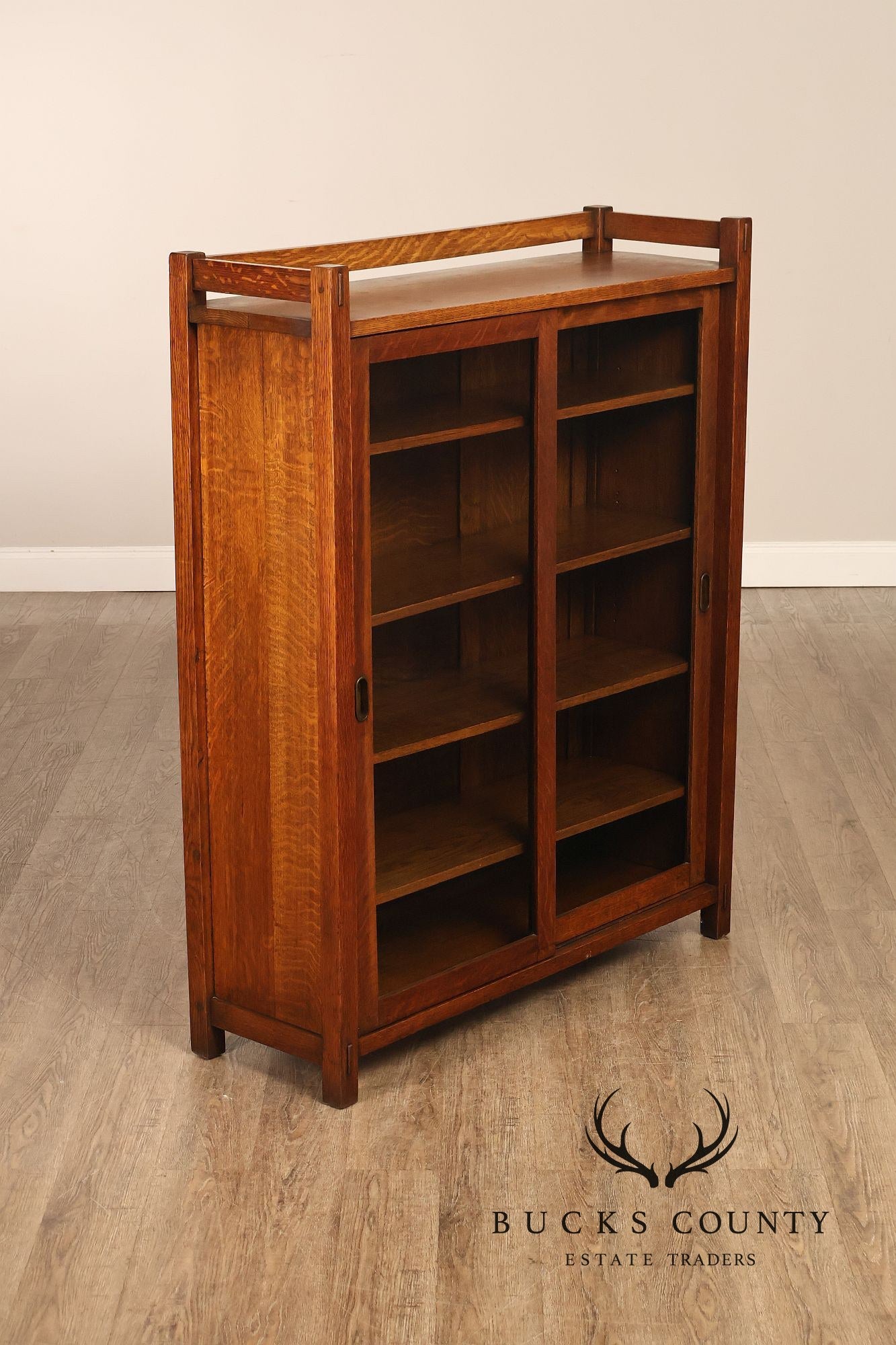
Repairing such furniture isn't just about making it functional again, it's about celebrating the artistry, the craftsmanship, and the rich stories those pieces hold. These objects were built to last, unlike most of today's mass-produced items. Restoration is usually a smart move if the piece is solid hardwood, carries sentimental value, or is an antique. Quality mid-century and antique pieces often gain value after a professional restoration, making replacements a poor choice financially.
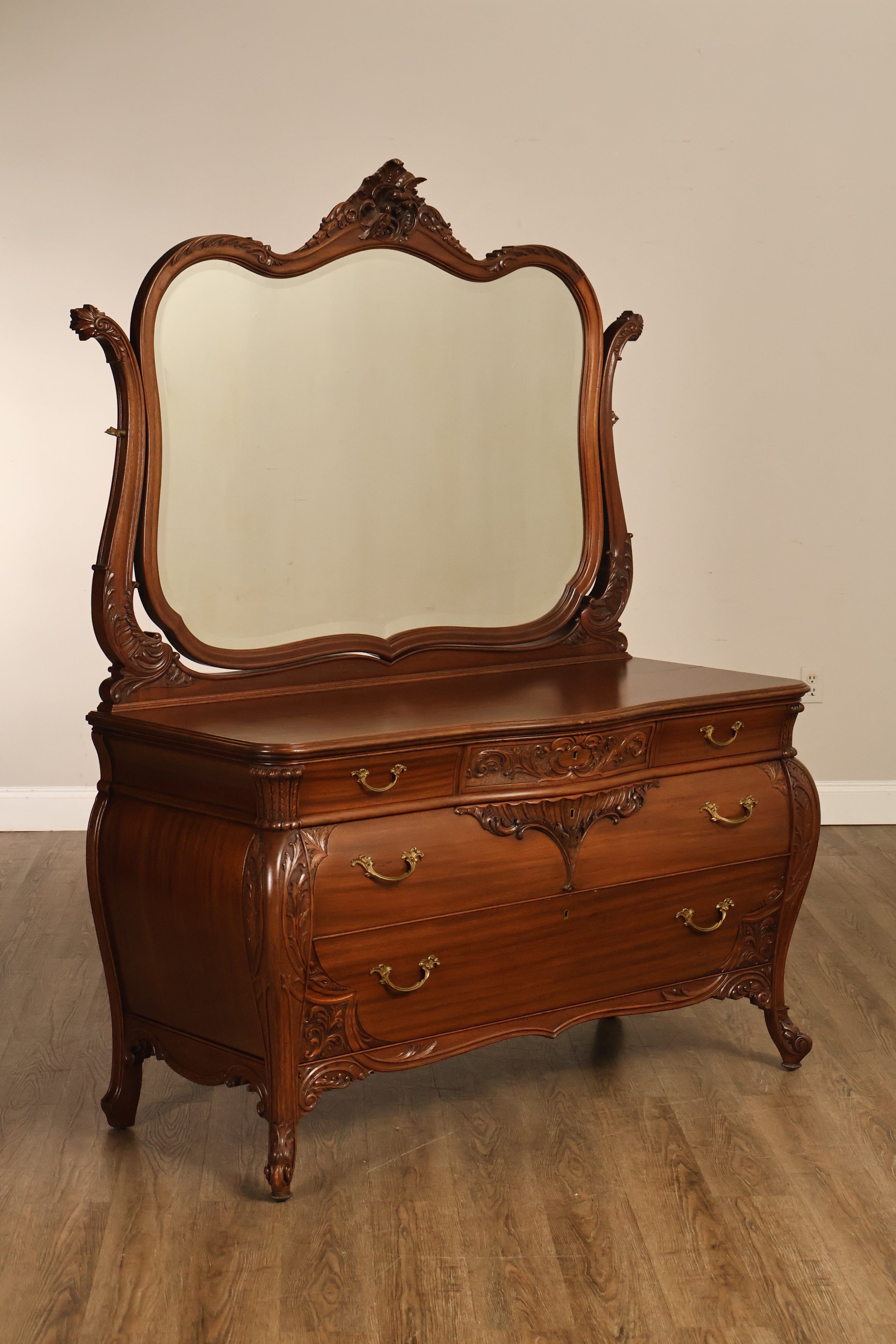
An expertly restored antique can often be worth more than a new piece, and the older it gets, the more valuable it can become. Upholstery restoration plays a surprisingly large role here too — replacing worn fabric or padding on a Victorian settee or mid-century lounge chair with period-appropriate materials can meaningfully increase both its appeal and antique value impact at resale.
Common Challenges in Vintage Furniture Restoration
Every piece that comes into our workshop has its own story, often revealed through its flaws. We see all sorts of wear: deep moving scratches, chipped veneers from years of use, and even pet-related damages on table legs. These marks are where every quality repair begins, demanding both skill and patience.
Assessing the Damage
We start by evaluating the piece's structural integrity, looking for loose joints or cracks that might need repair. Only then do we focus on the surface, deciding whether a simple touch-up will do or if extensive work is needed. This brings us to a common query.
Clients often wonder about the difference between restoring and refinishing antique furniture. Restoring means preserving the original materials and finish, maintaining antique value. Refinishing involves stripping the old surface entirely and starting anew. The choice depends on the damage, the piece's history, and its intended future in your home.
For seating pieces, upholstery restoration deserves the same careful consideration—sourcing historically accurate fabrics or leathers can be the difference between a chair that commands collector interest and one that merely looks updated.
Pro Techniques for Repairing Severe Damage
Surface scratches are one thing, but deep gouges or structural voids require a different approach. Serious repairs involve materials and methods that respect the piece's original integrity. Three techniques shine here: two-part epoxy putties, graining pens, and wood dutchmen patches.
Epoxy Putties and Sculpting
Two-part epoxy putty is fantastic for rebuilding corners, molding profiles, and deep voids. It bonds well, stains, and can be shaped before curing.
- Clean the area thoroughly to ensure the epoxy adheres to a solid base.
- Mix equal parts of the putty as per instructions, working swiftly within a 15-20 minute window.
- Press the putty into the void, overfilling slightly to allow for shrinkage.
- Sculpt the shape using a palette knife or fingertip before it sets.
- Sand the repair with 120-grit paper, then 220-grit for smoothness.
- Prime before staining, as epoxy absorbs color differently.
Mimicking Wood Patterns
A repair isn't complete without matching the grain pattern. Graining pens, available in various tones, let you replicate wood grain across a repair.
- Study the existing grain pattern before beginning.
- Apply a base coat matching the lightest wood tone.
- Draw grain lines with a darker pen, mimicking the natural flow.
- Blend the lines with a brush while wet to soften edges.
- Seal the work with shellac before any topcoat.
Replacing with Wood Dutchmen
For larger gouges, a wood dutchman, a patch from matching wood, is often best for a seamless repair.
- Chisel the damaged area into a clean, geometric shape, ready for a patch.
- Select a matching wood piece and cut it to fit precisely.
- Glue the patch with hide glue or PVA, clamping until cured.
- Plane and sand the patch, ensuring it's flush with the surrounding area.
- Stain and finish to blend it perfectly with the original wood.
If these repairs seem daunting, the skilled team at Bucks County Estate Traders restoration services is well-equipped to handle everything from epoxy sculpting to precision dutchman fitting.
The In-House Advantage of Professional Restoration
For collectors, choosing who restores a cherished piece is critical. Poor vintage furniture repair can strip a piece of its authenticity and value. Done right, it gives it new life. Bucks County Estate Traders provides easy restoration and repair services for pieces we sell from our store, from structural repairs and upholstery work to surface touch-ups and refinishing, all by a team that knows the difference between preserving a piece and merely fixing it.
The urge to DIY is understandable. But true restoration means safeguarding original finishes and materials, while refinishing involves completely overhauling the surface. This distinction affects a piece's antique value impact in ways that matter most when it comes time to appraise or sell, an improperly stripped finish or mismatched fabric can reduce a documented antique's market value by a significant margin.
For items over a century old, keeping original surfaces completely intact is key. We strongly advise against attempting any DIY cleaning, polishing, or "fixes" before bringing your items to Bucks County Estate Traders. Quite often, well-meaning amateur repairs can inadvertently devalue or permanently ruin a fine piece.
A professional can spot issues a novice might miss, such as hairline cracks or lifting veneer, and knows exactly how to handle them without compromising the item's integrity. If you are looking to sell, please leave the item exactly as it is and let our specialists handle the care. In the long run, amateur mistakes cost far more to fix than letting our professionals guide you from the start.
Maintaining Restored Vintage Furniture
Repairing vintage furniture doesn't end with the job's completion. How you care for it afterward determines its longevity and beauty.
Regular Maintenance Tips
- Use the right products: Opt for beeswax polish or orange oil conditioner to nourish and protect finishes. Avoid modern silicone-based sprays.
- Clean gently and often: Use a soft, damp cloth for dusting, followed immediately by a dry cloth.
- Control humidity: Maintain indoor humidity between 40-55% to prevent warping and joint issues.
- Protect from direct light: Keep pieces away from direct sunlight, or use UV-filtering film to reduce exposure.
- Address scratches early: Treat minor damage with color-matched wax sticks or shellac-based products instead of polyurethane, which can lessen authenticity.
Contact Us To Learn More About Repairs
Bucks County Estate Traders' restoration team brings expertise honed through years of working with antiques and vintage pieces. Customers often praise their skills in matching finishes and improving structural integrity. This craftsmanship isn't by accident; it's the result of focused, thoughtful work by people who take each piece's legacy seriously. Contact Bucks County Estate Traders today!

Leave a comment
This site is protected by hCaptcha and the hCaptcha Privacy Policy and Terms of Service apply.