

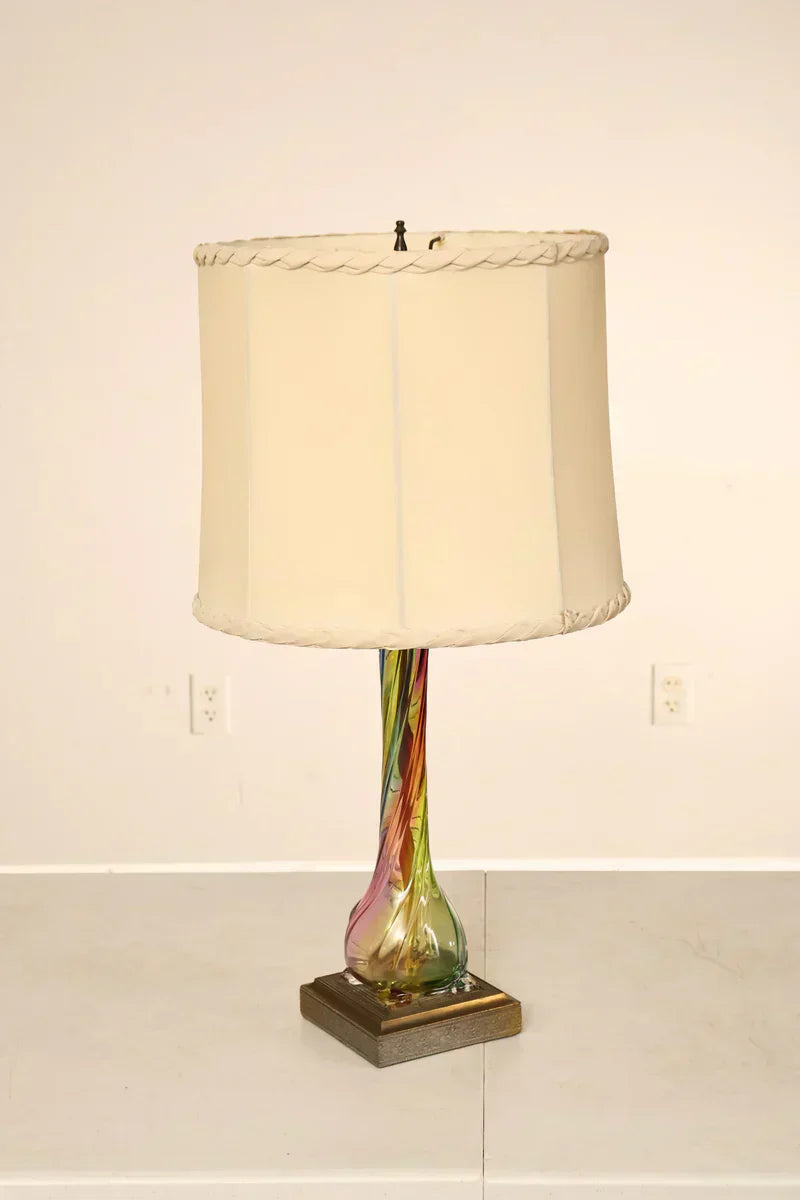
Mixing Mid-Century Modern Lamps with Modern Decor
Mid-century modern lamps have a unique ability to bridge the gap between vintage character and contemporary design. Whether you're drawn to the sculptural appeal of a Sputnik chandelier or the clean lines of a classic arc floor lamp, the right lighting can add warmth, personality, and visual balance to a modern space.
At Bucks County Estate Traders, we regularly help homeowners discover authentic vintage lighting and furnishings that blend seamlessly with modern décor while adding timeless character to their homes.
Key Takeaways:
- Limit statement lighting to one dramatic fixture per room — a Sputnik chandelier over a dining table needs no competing fixtures nearby.
- Pair brass arc lamps with walnut credenzas or use chrome fixtures for a cooler contrast against warm wood tones.
- Ceramic tripod table lamps deliver sculptural mid-century style without overpowering smaller rooms where large pendants would overwhelm.
- Quality reproductions capture authentic mid-century modern style at lower cost, while original vintage lamps hold greater long-term value.
The Statement Piece Strategy
In mid-century modern spaces, lighting isn't just functional; it defines the room. These lamps are unique; they serve a purpose and serve as art. To embrace this style, consider lighting that makes a statement. A Sputnik chandelier or an arc floor lamp can anchor the aesthetic.
- Scale matters first: Sputnik chandeliers typically work best in rooms with adequate ceiling height and should be sized appropriately for the space.
- Shape carries meaning: Organic curves add warmth to minimalist spaces. A rounded ceramic base or an arc floor lamp can soften the straight lines of modern furniture.
- Color as commitment: Choose finishes like warm brass, matte black, or glazed terracotta. They pop against walnut tones and neutral walls, creating a bold harmony.
- One dramatic choice per room: Let one statement piece lead. If a Sputnik chandelier hangs over a dining table, avoid competing fixtures nearby. Less is more.
- Vintage or reproduction: Original mid-century lamps hold value and presence, but quality reproductions can capture the essence at a lower cost.
Choosing Your Statement Piece
The right piece is chosen with purpose, not just for looks. Consider these elements before deciding:
- Room size and ceiling height: Oversized fixtures can overwhelm small rooms. A 24-inch Sputnik chandelier can suit a dining area of about 100 to 150 square feet well.
- Existing furniture scale: Low-profile furniture calls for lighting that contrasts visually by rising or spreading outward without cluttering.
- Finish and material harmony: Match metals to your hardware. A brass arc lamp complements a walnut credenza, while chrome provides a cooler contrast.
- Bold but grounded: The piece should surprise at first, then feel like it belongs. If it seems meant to be there, you've nailed it.
The Rule of Contrast: Materials and Finishes
Mid-century modern design has always married warmth and a touch of edge. The contrast between organic materials and sleek finishes brings a room to life. Take a look at any curated Mid-Century Furniture in Montgomery County to see walnut grain against polished chrome or matte black paired with honey-toned wood. That's intentional, not by chance.
Perfect Pairings: Textures and Finishes
Creating balance involves knowing which materials complement each other. Here are pairings that consistently produce an honest aesthetic:
- Walnut wood with brass accents: Walnut's rich grain is enhanced by brass, making pieces like a credenza with brass pulls feel luxurious yet timeless.
- Polished chrome with warm upholstery: Chrome bases or frames feel sharp, but paired with mustard or rust-toned fabric, they become inviting.
- Matte black finishes with light wood tones: Matte black anchors a room, allowing lighter woods to shine without feeling cold.
- Textured textiles against smooth surfaces: A bouclé sofa against a lacquered table adds tactile contrast that invites a closer look.
- Natural stone with engineered wood: Marble or slate paired with walnut or teak adds a grounded quality synthetic decor can’t replicate.
Avoiding the Theme-Park Trait
There's a thin line between a mid-century room that feels curated and one that resembles a museum set. Aim for atmosphere, not a costume party. Thoughtful choices beat a room crammed with teak and Sputnik fixtures every time.
- Let 21st-century furniture carry the load: Clean-lined contemporary pieces, like a simple linen sofa or a minimal dining table, provide a neutral backdrop that lets vintage finds stand out. Not everything needs to be period-correct.
- Anchor with one or two statement pieces: A walnut credenza or an Eames chair can hold its own. Build around them instead of cluttering the space. Less is often more.
- Mix styles without a thesis: Pair a mid-century sofa with a modern floor lamp or a local artist's canvas for a collected-over-time look. It adds history and depth.
- Place furniture with intention: Low-profile pieces need room to breathe. Avoid clustering too many surfaces, and keep the architecture visible.
- Edit ruthlessly: Accessories can turn a room into a theme park. A single ceramic piece or statement light often works better than a crowded shelf of props.
Expert Tips for Seamless Integration
Bringing mid-century modern into your home can be truly gratifying, but a few common mistakes can flatten the effect. Experts who work with this style highlight recurring pitfalls, and knowing them can save you time and money.
- Start with a single anchor piece: Designers recommend beginning with one focal point, like an Eames chair or walnut credenza, before expanding. Furnishing a room all at once creates clutter, missing the clean restraint this style is known for.
- Respect scale and proportion: Missteps here can derail a room. A low sofa under a giant canvas, or a hairpin-leg table dwarfed by pendants, disrupts the style's visual logic. Measure everything before committing.
- Maintain a cohesive color palette: Mid-century color stories are warm neutrals with deliberate accents, mustard yellow, olive green, burnt orange. Too many competing colors dilute the calm these spaces achieve. Stick to two accent tones across all elements.
- Mix materials with intention: Teak, walnut, fiberglass, and molded plastic belong together, but need a unifying element. Repeating one wood tone through three pieces creates continuity without rigidity.
- Avoid overcrowding the space: Authentic mid-century rooms were curated, not stuffed. Negative space is part of the design. Fewer extraordinary pieces often trump more ordinary ones.
Complete Your Space With Us
Are you looking for authentic mid-century modern lighting or furniture to complete your space? At Bucks County Estate Traders, we regularly acquire vintage lamps, statement lighting, and carefully selected mid-century pieces that bring character and history to modern interiors. Contact us today to learn about our current inventory or to schedule an appointment to explore unique finds that can elevate your home's design.

Leave a comment
This site is protected by hCaptcha and the hCaptcha Privacy Policy and Terms of Service apply.