

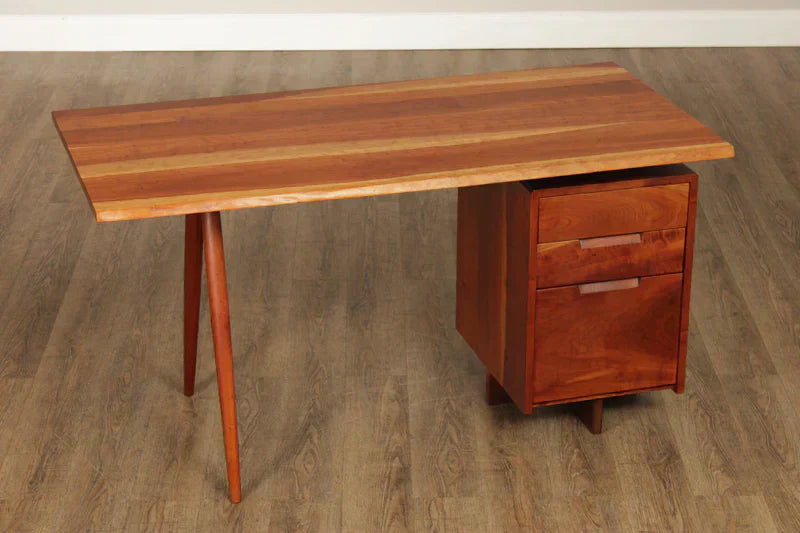
How to Value an Estate: A Beginner’s Guide to Furniture Appraisal
Navigating furniture appraisal for an estate can feel daunting. The terminology is often dense, market trends are nuanced, and the emotional weight of family heirlooms can make objective valuation difficult. However, with a structured approach, the process becomes significantly more manageable.
At Bucks County Estate Traders, we partner with families nationally and locally to provide clarity during these transitions. We help you identify the significance of your collection, determine its current market value, and decide on the best path forward.
This guide provides a practical foundation for antique furniture appraisal, not as a substitute for a professional assessment, but as a resource to ensure you feel informed and prepared throughout the process.
Why Furniture Appraisal Matters More Than You Think
Most people assume antique furniture is worth more than it is or occasionally far less. The truth is that value is deeply contextual. A Victorian sideboard in pristine condition with documented provenance can fetch thousands at auction. An identical-looking piece with undisclosed repairs and no paper trail might struggle to sell at all. Understanding fair market value protects you from costly mistakes, whether you're selling, donating, insuring, or dividing an estate among heirs.
There are also different types of estate value to be aware of. Replacement value, what it would cost to buy the same piece again, is used for insurance purposes. Fair market value, what a willing buyer would pay a willing seller, is used for estate tax calculations and charitable donations. Liquidation value is the realistic number if you need to sell quickly. These figures can differ dramatically, which is why clarifying your purpose from the start matters.
The Six Things Every Antique Appraiser Looks At First
Professional appraisers evaluate furniture through a consistent, trained lens. Before you call in an expert, it helps to understand what they're actually examining and why each factor moves the needle on value.
-
Maker & Origin: Signatures, stamps, labels, and regional construction styles help identify who made the piece and where it came from.
-
Age & Period: Joinery methods, hardware, and secondary woods help date a piece far more reliably than style or appearance alone.
-
Condition: Original finish, structural integrity, and any evidence of repairs or replacements are among the most critical value factors.
-
Provenance: Documented history, receipts, letters, auction records, can significantly elevate a piece's desirability and price.
-
Rarity: Uncommon forms, regional variations, or limited production runs make certain pieces far more collectible than standard examples.
-
Market Demand: What collectors are actively seeking right now matters enormously. Tastes shift, and antique furniture prices shift with them.
What to Look For Before Calling an Appraiser
You don't need expert credentials to do useful preliminary research. Start by photographing every piece from multiple angles whether it’s the top, bottom, back, interior drawers, and any hardware or decorative details. Turn items over and look for labels, stamps, or handwritten markings on the underside. Open drawers and examine the wood used for the drawer bottoms and sides, known as secondary woods. These often reveal more about age and origin than the show surfaces do.
Next, look at the construction itself. Hand-cut dovetail joints, irregular saw marks, and hand-forged hardware point to pre-industrial manufacture, generally placing a piece before the mid-1800s. Machine-cut joints and uniform screws typically indicate later production. Neither automatically makes a piece more or less valuable, but both are crucial contexts for an accurate estate appraisal.
Finally, gather whatever documentation you can find. Old purchase receipts, estate inventories, letters mentioning the furniture, or photographs showing a piece in its original setting all contribute to establishing provenance and provenance is one of the clearest paths to increased value.
The Original Finish Question: Why It Changes Everything
The most surprising thing to many people when it comes to antique furniture evaluation is that original finish, regardless of its age or wear, will generally command greater interest from dedicated collectors than a newly refinished piece. Patina – the natural wear and aging process that affects wood and finishes over time – is irreplaceable. It cannot be duplicated or re-created once stripped away, and it typically decreases the value of the piece in high-end markets.
Do not feel tempted to get your piece professionally cleaned before having it appraised just because it looks old and used. Leave the original finish as is and let the expert do their work.
How Estate Traders Fit Into the Appraisal Process
-
Distinct Roles: While an estate trader is not a certified appraiser, they serve as a strategic partner by offering real-world market insights.
-
Regional Market Expertise: They provide deep knowledge of the Pennsylvania and Delaware Valley markets, identifying which period styles are currently in demand.
-
Realistic Pricing: Valuations are based on active buyer trends and current market data rather than outdated price guides or overly optimistic estimates.
-
Strategic Guidance: They help families navigate various liquidation options, including: auctions, private sales, on-site estate sales, consignment
-
Approach: By evaluating the specific needs of an estate, they weigh the implications of timeline, effort, and net proceeds for each path.
-
Informed Decision-Making: The primary goal is to empower families with information for the best long-term outcome, prioritizing clarity over a quick transaction.
A Word on Sentimental Value vs. Market Value
Understanding estate valuation requires recognizing a fundamental truth: price and significance are not the same thing. While a professional appraisal can provide a clear number for your records, it cannot quantify the "weight" of an heirloom.
When managing an estate, it is helpful to view the items through two distinct lenses:
-
Market Value: This is the objective financial worth of an item. It is driven by current trends, demand, and condition. For instance, a simple oak rocking chair might have a modest price tag based on the local furniture market.
-
Sentimental Value: This is the subjective, irreplaceable meaning an item holds within a family. That same rocking chair may be priceless to you because it is where generations of stories were told.
Ready to Get Started?
Contact Bucks County Estate Traders for an honest, experienced assessment of your estate furniture from a single piece to an entire household. Contact us today!


Leave a comment
This site is protected by hCaptcha and the hCaptcha Privacy Policy and Terms of Service apply.