

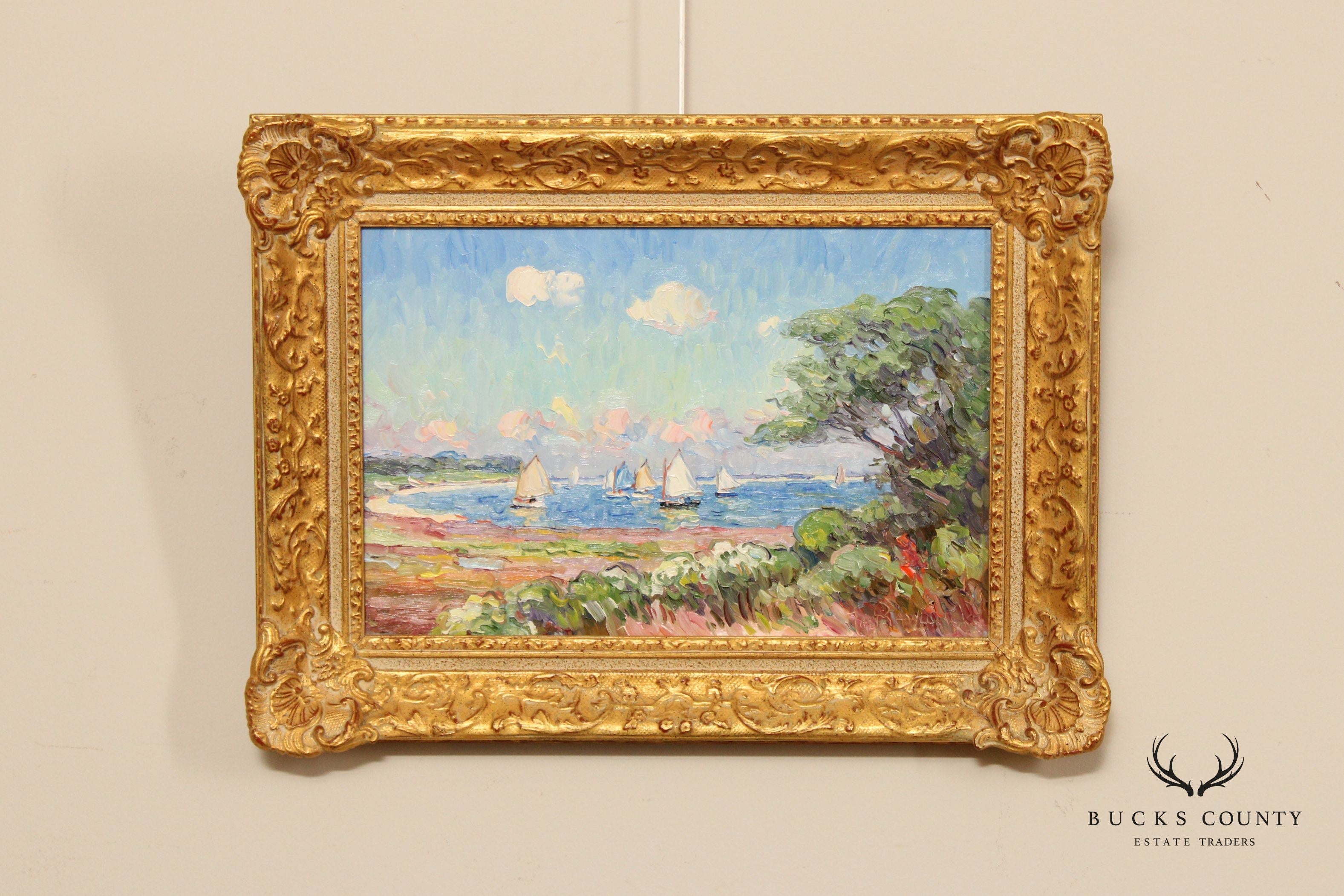
In the shifting landscape of interior design, trends often feel like a pendulum swinging between two extremes. On one side, we have the ultra-minimalist modern aesthetic characterized by sleek surfaces, cool metals, and hidden functions. On the other hand, we have the ornate, often over-designed traditions of the past.
Recently, a new term has dominated the scene: Quiet Luxury. This aesthetic rejects loud logos, fleeting fads, and disposable decor in favor of something far more substantial. It is about the whisper of quality rather than the shout of a price tag.
At Bucks County Estate Traders, we see thousands of treasures pass through our showroom as an experienced estate curator, but few elements embody this philosophy as perfectly as estate artwork. While some might categorize historic or antique art as purely traditional, it is actually the ultimate precursor to modern quiet luxury.
Here is why selecting estate artwork surpasses fast-modern decor trends and stands as the definitive investment for the sophisticated home.
The Peak of Quiet Luxury Art
To understand why estate artwork represents the peak of quiet luxury, one must look beyond the surface. Modern, mass-produced wall decor is frequently manufactured in factories where the goal is speed, resulting in generic prints that lack soul.
True luxury isn't about a visible, trendy brand name. It is about the internal knowledge of a piece’s history—the texture of hand-applied oils, the weight of a custom carved frame, and the artist's distinct touch. There is a private satisfaction that comes from knowing the integrity and rarity of the unique piece hanging on your wall.
Mediums and Textures: The Language of Sophistication
In a modern home where color palettes are often neutral, including whites, creams, and soft grays, texture becomes the primary language of the room. This is where estate artwork outshines mass-market alternatives.
Unlike flat, digital reproductions, authentic estate art offers two distinct benefits:
- Visual Depth: Aged canvas, craquelure, and varied brushstrokes catch light differently throughout the day, creating a dynamic visual experience.
- Organic Warmth: When you place an estate piece in a modern, sunlit room, it provides an organic warmth that a sleek, lacquered modern print cannot replicate.
By expanding your collection beyond standard paintings, you can introduce different mediums to elevate this textual dialogue:
Works on Paper: Etchings, Lithographs, and Charcoal
Don't overlook the quiet power of historic works on paper. An 18th-century architectural etching, a bold mid-century lithograph, or a delicate figurative charcoal sketch brings an academic, gallery-like sophistication to a space. Framed under museum-quality glass with generous matting, the subtle texture of handmade or aged paper breaks up the monotony of drywall and adds an intellectual layer to minimalist interiors.
Sculpture: Dimension Beyond the Canvas
Quiet luxury is inherently multi-dimensional. Introducing estate sculptures—such as a classical bronze bust, an Art Deco geometric form, or a mid-century brutalist metal piece—breaks the flat planes of a modern room. Placing a historic sculpture on a sleek, contemporary mantlepiece or a minimalist pedestal instantly grounds the space, drawing the eye to the interplay of shadow and form.
Navigating Eras: Finding the Right Dynamic
When blending the past with the present, different art eras evoke entirely distinct moods in a modern home. Knowing how these eras interact with contemporary architecture allows for a highly intentional design.
| Art Era / Movement | Characteristics | Best Match for Modern Spaces |
|---|---|---|
| 18th & 19th-Century Academic | Rich oil landscapes, dramatic chiaroscuro portraits, maritime scenes. | Acts as a high-contrast focal point in ultra-sleek, white-walled rooms. |
| Impressionism & Post-Impressionism | Soft brushwork, vibrant light play, organic and pastoral subjects. | Introduces movement, color, and a sense of serenity to structured, geometric spaces. |
| Mid-Century Modernism & Abstract Expressionism | Bold geometry, experimental textures, non-representational forms. | Complements the clean lines of minimalist furniture while adding raw, emotional energy. |
Historic vs. Modern: The Art of Contrast
Traditional estate art and modern style are often considered polar opposites, but they can actually form a stunning partnership. Both rely on a strong sense of balance and form.
The modern style removes all unnecessary elements until the clean architecture of the room is left. Incorporating estate artwork preserves that geometric simplicity while adding depth and character.
Consider a bold, heavily textured historic portrait or a classical landscape set against a crisp, minimalist wall. The juxtaposition creates a captivating dialogue between the past and present. In an environment that values understated luxury, this honest artistic expression is comforting, preventing a modern space from feeling harsh or sterile.
The Sustainability of Longevity
Conscious curation is another fundamental principle of the quiet luxury philosophy. It is the concept that promotes "buy less, buy better."
We live in the age of "fast decor" with mass-market prints and cheap plastic frames that have a lifespan of only a few years before they are discarded during a move or a trend shift. Conversely, estate artwork has already stood the test of time, often preserved for decades or centuries in excellent condition.
Buying a curated estate piece instead of a fashionable, mass-produced modern print is a sustainable decision. You are investing in a piece of history that will not be discarded at the nearest dumpster, but passed down through generations. That kind of longevity is the ultimate luxury.
How to Style Estate Art in a Modern Quiet Luxury Space
You do not need to live in a historic estate to own historic art. In fact, estate pieces look most striking when contrasted with contemporary elements. Our experts suggest blending the two in the following ways:
- The Neutral Anchor: Use a large, commanding estate painting as the focal anchor of the room. Surround it with high-end, modern textiles like bouclé wool, linen, or silk. The rich tones of an antique canvas balance the softness of contemporary fabrics perfectly.
- Lighten the Frame: You don't always have to choose heavy, dark Victorian frames. Look for estate artwork housed in lighter gilt frames, minimalist mid-century wood, or even consider reframing a classic piece in a sleek, modern float frame. This allows the artwork to feel airy and modern while retaining its classic craftsmanship.
- Minimalist Accessories: Skip the cluttered gallery walls. Place a single, spectacular estate painting or sketch above a modern console. The clean lines of your contemporary furniture act as a gallery-style pedestal for the artwork.
- Scale Intentionally: In modern homes with soaring ceilings or expansive open layouts, scale is everything. Instead of filling a large wall with multiple small contemporary prints, opt for one massive, oversized estate painting or a deliberate triptych. A singular, grand-scale historic piece commands the architecture of a modern room, instantly making the entire space feel more expansive and custom-tailored.
The Verdict: Why It Sticks
Current design fads may come and go, but fine art is timeless. Estate artwork doesn't scream for attention because of how loud it is, but its presence in a modern home is undeniable.
Looking to create a luxurious and timeless feel when building or styling your space? Forget about the disposable fads and turn your focus towards the classic elegance of curated estate artwork.
Browse through the ever-changing selection of art and furnishings we offer here at Bucks County Estate Traders. Contact our team today for more insight on finding the perfect historic statement for your modern home.

Leave a comment
This site is protected by hCaptcha and the hCaptcha Privacy Policy and Terms of Service apply.